
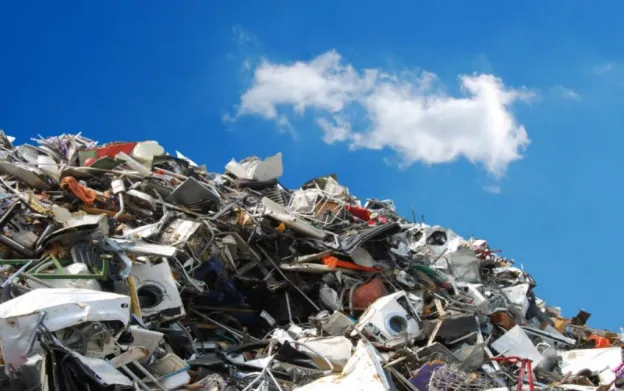
For modern businesses, technology is essential for everyday operations, but it also creates a growing stream of outdated computers, networking equipment, printers, hard drives, and other electronic devices. When these assets accumulate, selling them in bulk can be a practical way to clear valuable space while recovering some financial value. However, businesses should not treat IT scrap disposal as a simple transaction. Choosing the right used IT scrap buyer requires attention to data security, environmental responsibility, equipment evaluation, collection procedures, and regulatory compliance. A well-planned approach can make the process smoother while helping organisations protect sensitive information and manage electronic waste responsibly.
Understand What Qualifies as IT Scrap
Before contacting a buyer, businesses should identify the equipment they intend to sell. IT scrap can include obsolete desktops, laptops, servers, networking switches, routers, printers, hard drives, SSDs, motherboards, gaming systems, projectors, and other electronic components. Creating an inventory is an important first step. Record the type, quantity, brand, model, condition, and approximate age of each item. Separate functioning equipment from damaged or non-working units where possible. This information gives buyers a clearer understanding of the material and can make the evaluation process more efficient.
Prioritise Data Security
One of the biggest concerns when disposing of business electronics is the information stored on them. Computers, servers, smartphones, hard drives, and other devices may contain customer records, financial information, employee details, passwords, business documents, or confidential communications.Simply deleting files or performing a basic factory reset may not always provide sufficient protection. Businesses should understand how their recycling partner handles data-bearing devices and whether secure data destruction procedures are available.
A responsible recycling provider should have a clear process for handling storage media. Documentation of data destruction can also provide useful records for internal asset-management procedures and compliance requirements. Before handing over equipment, businesses should ask relevant questions about data wiping, physical destruction where necessary, documentation, and the handling of storage devices throughout the recycling process.
Check the Buyer’s Recycling Practices
Selling IT scrap should not mean transferring the environmental responsibility to an unknown party. Electronic devices contain materials that can be recovered and reused, but they may also contain components that require careful handling. Businesses should therefore evaluate whether a buyer follows responsible recycling and disposal practices. Ask how equipment is sorted, whether usable devices are refurbished or reused, and how non-reusable components are processed. An environmentally conscious approach supports resource recovery and reduces the likelihood of electronic waste being handled improperly. It can also help businesses align their disposal practices with broader sustainability goals.
Compare Bulk Valuation Carefully
When selling large quantities of IT equipment, businesses should understand how the offered price has been calculated. The value of a bulk lot can depend on several factors, including equipment type, brand, model, working condition, quantity, demand, and recoverable materials. For example, functional laptops or networking equipment may have greater value than damaged units that are primarily processed for parts or material recovery. Storage devices, processors, circuit boards, and other components can also be assessed differently. Rather than focusing only on the highest initial quotation, businesses should consider the complete service. Collection arrangements, evaluation methods, payment terms, data security, documentation, and recycling practices can all influence the overall value of the transaction.
Prepare Equipment Before Collection
Good preparation can simplify a bulk IT scrap transaction. Businesses should organise equipment in an accessible area and prepare an inventory before the buyer arrives. Where appropriate, remove accessories that are not part of the sale and identify devices containing sensitive storage media. However, businesses should avoid dismantling equipment unnecessarily unless they have a clear reason to do so.
Choose a Buyer Equipped for Bulk Volumes
Not every scrap dealer is prepared to handle large commercial quantities efficiently. Businesses disposing of substantial volumes should look for a provider with suitable collection capabilities and experience in handling different types of electronic equipment. A reliable IT scrap Bulk buyer Dubai can provide greater convenience when organisations need to clear multiple categories of equipment in one transaction. Businesses should ask whether the provider can collect from their location, manage large quantities, evaluate mixed equipment, and provide a clear process from collection through recycling. For companies replacing IT infrastructure, bulk collection can also reduce the operational burden associated with storing obsolete equipment. A structured process allows employees to focus on their core responsibilities rather than spending excessive time managing accumulated electronics.
Consider Compliance and Documentation
Electronic waste management involves more than removing unwanted equipment from an office. Businesses should understand the relevant requirements for responsible disposal and select a recycling partner that operates according to applicable regulations. Documentation can be particularly valuable for organisations that maintain internal environmental, asset-management, or audit records. Depending on the nature of the equipment and the business, records may include inventory details, collection information, evaluation records, payment documentation, or data-destruction confirmation. Working with a provider that understands compliance expectations can reduce uncertainty and help businesses maintain better records of their disposal activities.
Think Beyond Disposal
A strong IT asset disposal strategy should consider what happens to equipment after collection. Some devices may be suitable for reuse, refurbishment, resale, component recovery, or material recycling. This approach supports the principles of a circular economy by keeping useful materials and equipment in productive use for longer. It can also reduce the demand for new raw materials and minimise unnecessary electronic waste.
Final Thoughts
Selling obsolete technology in bulk can be much more beneficial when businesses approach it as part of their wider asset-management strategy. Instead of simply clearing unwanted electronics, organisations can use the opportunity to recover value, protect confidential information, improve workplace organisation, and support responsible resource management.
The key is to assess equipment carefully, maintain appropriate records, prioritise secure data handling, understand valuation, and work with a recycling partner capable of managing commercial quantities. Businesses that take these considerations seriously can make IT scrap disposal more organised and dependable. With the right planning and a responsible service provider such as E-Waste IT Recycling, organisations can turn an otherwise challenging technology-clearance task into a secure, efficient, and environmentally conscious process.