
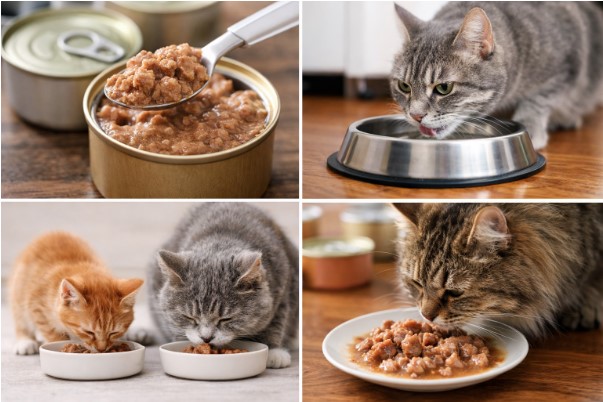
Choosing the right food is one of the most important decisions a cat parent can make. Nutrition affects everything—from digestion and hydration to coat health and energy levels. In recent years, wet cat food has become increasingly popular among veterinarians and experienced pet parents, and for good reason. Its moisture-rich formula, palatability, and nutritional balance make it a strong option for cats of all ages.
In this guide, we’ll explore why wet food deserves a place in your cat’s diet, how it compares to dry food, and what to know if you’re researching cat food for constipation to better understand your cat’s digestive health. We’ll also touch on how to choose the best canned cat food without getting overwhelmed by labels.
What Is Wet Cat Food?
Wet cat food—also known as canned cat food—contains a high percentage of moisture, usually between 70% and 80%. It typically comes in cans, pouches, or trays and is made with real meat, poultry, or fish as the primary ingredient.
Unlike dry kibble, wet food closely resembles the natural diet of cats, who are obligate carnivores. This means their bodies are designed to get most nutrients—and moisture—from animal-based foods.
Key Benefits of Wet Cat Food
1. Supports Proper Hydration
Cats naturally have a low thirst drive. Many don’t drink enough water on their own, which can lead to urinary and digestive issues over time. Wet cat food helps increase daily water intake effortlessly, supporting kidney function and urinary tract health.
2. Easier to Digest
Because of its soft texture and high moisture content, wet food is generally easier for cats to digest. This is especially helpful for kittens, senior cats, and cats with sensitive stomachs.
3. High-Quality Protein
Most canned formulas focus on animal protein rather than fillers. When choosing the best canned cat food, look for real meat listed as the first ingredient.
4. Highly Palatable
Picky eaters often prefer wet food due to its aroma and texture. If your cat turns their nose up at dry food, wet options can help ensure they’re getting proper nutrition.
5. Helps with Weight Management
Wet food is often lower in carbohydrates and calories per serving compared to dry food, which can help cats feel full while maintaining a healthy weight.
Wet Cat Food vs. Dry Cat Food
Both wet and dry cat food have their place, but they serve different purposes.
|
Feature |
Wet Cat Food |
Dry Cat Food |
|
Moisture Content |
High (70–80%) |
Low (10–12%) |
|
Texture |
Soft, easy to chew |
Crunchy |
|
Hydration Support |
Excellent |
Minimal |
|
Shelf Life |
Short after opening |
Longer |
|
Palatability |
Very high |
Moderate |
Many pet parents choose a mixed feeding approach, but incorporating wet cat food regularly can provide hydration and digestive benefits that dry food alone may not offer.
Understanding Cat Food for Constipation (Educational Insight)
Digestive health is a common concern among cat owners. Constipation can occur due to dehydration, lack of fiber, hairballs, inactivity, or underlying health issues.
When researching cat food for constipation, it’s important to understand that food alone isn’t a cure—but diet plays a major supporting role.
Educational note:
Wet food is often recommended as part of a broader digestive care plan because its moisture content helps soften stool and support smoother bowel movements. Some formulas also include gentle fiber sources like pumpkin or beet pulp.
👉 Important: Constipation can have multiple causes. Always seek guidance from a veterinarian for diagnosis and treatment. Learning about nutrition is helpful, but professional advice is essential for your cat’s health.
How to Choose the Best Canned Cat Food
With so many options on the market, selecting the best canned cat food can feel confusing. Here’s what to focus on:
✔ Read the Ingredient List
Look for named animal proteins (chicken, turkey, salmon) as the first ingredient. Avoid vague terms like “meat by-products” when possible.
✔ Check for Balanced Nutrition
Ensure the food meets AAFCO standards for complete and balanced nutrition.
✔ Avoid Excess Fillers
High-quality wet food contains minimal artificial colors, flavors, and unnecessary carbohydrates.
✔ Match Life Stage Needs
Kittens, adults, and senior cats all have different nutritional requirements. Choose formulas designed for your cat’s age.
✔ Watch Your Cat’s Response
Every cat is unique. Monitor energy levels, digestion, coat condition, and appetite after introducing a new food.
Feeding Tips for Wet Cat Food
-
Serve at room temperature for better aroma and acceptance
-
Store opened cans in the refrigerator and use within 24–48 hours
-
Use clean bowls and wash them daily
-
Transition slowly when switching foods to avoid stomach upset
Consistency and portion control are just as important as food quality.
Final Thoughts
Adding wet cat food to your cat’s diet can be one of the simplest ways to support hydration, digestion, and overall wellness. Whether you’re exploring food options for a picky eater, a senior cat, or simply learning more about cat food for constipation, understanding ingredients and moisture content helps you make informed decisions.
When chosen carefully, the best canned cat food can provide balanced nutrition while keeping mealtime enjoyable and healthy for your feline companion.
FAQs
1. Is wet cat food better than dry food?
Wet food offers higher moisture and is often easier to digest, making it beneficial for hydration and urinary health. Many cats do well with a combination of both.
2. Can wet cat food help with constipation?
Wet food can support hydration, which may help digestion. However, constipation has multiple causes, so it’s important to consult a veterinarian.
3. How often should I feed wet cat food?
This depends on your cat’s age, weight, and health. Many owners feed wet food once or twice daily as part of a balanced routine.
4. What should I look for in the best canned cat food?
High-quality protein, minimal fillers, balanced nutrition, and ingredients suited to your cat’s life stage are key factors.
5. Can kittens eat wet cat food?
Yes, many wet foods are formulated specifically for kittens and are easy for them to chew and digest.