
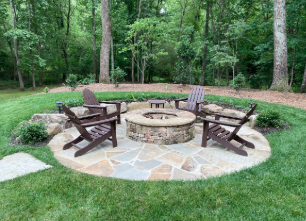
A well-planned garden can make an ordinary outdoor space feel more comfortable, useful, and attractive. For homeowners exploring practical gardening advice on profixspace.com, understanding basic plant care can make everyday maintenance much easier. You do not need a huge yard or expensive equipment to get started. Even a small balcony, narrow courtyard, or sunny window area can support healthy plants. The important part is choosing suitable plants and understanding what their surroundings provide. Sunlight, soil, water, and available space all affect how well a garden develops. Some plants grow quickly with very little attention, while others need regular pruning and closer observation. A garden becomes easier to manage when its design matches the time, space, and resources available.
Choose The Right Garden Location
Before purchasing plants or preparing containers, spend some time observing the available outdoor area. Notice where sunlight falls during the morning, afternoon, and evening because these patterns can change plant growth considerably. Vegetables and many flowering plants need several hours of direct sunlight, while certain ferns and leafy ornamentals prefer partial shade. Wind exposure also matters, particularly for plants growing in lightweight pots or on exposed balconies. Check whether rainwater collects in low areas or drains away quickly after watering. A convenient water source can save effort during warmer months when plants need more frequent attention. Think about walking space as well, because crowded arrangements make pruning, watering, and harvesting unnecessarily difficult. Choosing a suitable location first helps prevent problems that might otherwise require moving established plants later.
Prepare Healthy Growing Soil
Good soil provides roots with support, air, water, and essential nutrients. Garden soil varies considerably, so avoid assuming that every planting area will support every type of plant equally well. Heavy clay soil may hold water for long periods, while sandy soil often drains quickly and can lose nutrients more easily. Adding suitable organic matter, such as finished compost, can improve soil structure and support beneficial organisms. However, compost should not replace every other soil requirement, especially when plants have specific nutrient needs. Containers need an appropriate potting mix rather than dense garden soil that may compact around the roots. Before planting a large area, examine the soil texture and drainage carefully. A simple soil test can also provide useful information about pH and nutrient levels, helping you make more informed adjustments.
Select Plants For Your Climate
Plant selection becomes easier when you consider local weather before choosing attractive varieties. Temperature, rainfall, seasonal humidity, and frost conditions influence which plants can grow successfully in a particular location. Native plants often suit local conditions because they have adapted to regional weather and may support local insects and wildlife. That does not mean every native species will fit every garden, though. Check its mature size, sunlight requirements, watering needs, and expected growth habits before purchasing it. If you want vegetables, choose varieties suited to the current growing season rather than planting everything together. A nursery can provide useful local guidance, but plant labels should still be read carefully. Choosing suitable plants reduces unnecessary replacement costs and makes regular care less demanding over time.
Water Plants With Care
Watering is a basic gardening task, but the correct amount depends on the plant, soil, container, and weather. Watering every plant on a fixed daily schedule can waste water and sometimes damage roots. Instead, check the soil moisture near the root zone before deciding whether watering is necessary. Many established garden plants benefit from deeper watering that reaches their roots rather than frequent, shallow sprinkling. Containers may dry faster because they hold less growing medium, especially during hot or windy weather. Watering early in the morning can reduce evaporation and give foliage time to dry when it becomes wet. Avoid leaving pots standing in water unless the plant specifically needs those conditions. Adjust your routine after rainfall and pay attention to wilting, yellowing leaves, or persistently soggy soil.
Keep Garden Tools Clean
Reliable tools make garden work easier and can help reduce damage to plants. A basic collection might include pruning shears, gardening gloves, a hand trowel, a watering can, and a suitable digging tool. You do not need every available gadget, particularly when the garden contains only a few containers. Clean soil from tools after use and dry metal surfaces before storing them. Sharp pruning blades usually produce cleaner cuts than blunts edges, which can crush stems and make trimming more difficult. Disinfect cutting tools when removing diseased plant material, following suitable cleaning guidance for the tool and plant involved. Store sharp equipment somewhere dry and secure, away from children and pets. Regular maintenance extends the useful life of garden tools and prevents small problems from becoming frustrating during busy gardening periods.
Manage Weeds And Garden Pests
Weeds compete with desirable plants for sunlight, water, nutrients, and growing space. Removing young weeds before they establish deep roots can make control much easier. A layer of suitable mulch can also reduce weeds growth while helping the soil retain moisture. Keep mulch away from direct contact with plant stems to reduce the risk of rot and pest problems. Garden pests require observation rather than immediate treatment whenever a leaf looks damaged. Some insects are beneficial because they pollinate flowers or feed on common pests. Check plants regularly for unusual spots, holes, sticky residue, or visible insects before choosing a response. Hand removal, protective netting, and improved plant spacing may solve minor problems without stronger treatments. If a pesticide becomes necessary, follow its label carefully and protect people, pets, pollinators, and nearby water sources.
Make Small Gardens Work
Limited space does not prevent people from growing attractive or useful plants. Containers, vertical supports, railing planters, and compact raised beds can help make better use of balconies and small courtyards. Choose containers with suitable drainage holes and enough room for the mature root system. Lightweight pots may be easier to move, although larger containers generally hold moisture longer between watering sessions. Vertical growing can work well for climbing beans, certain flowering vines, and other plants that naturally use support structures. Keep heavy containers within safe weight limits, especially on balconies and elevated areas. Arrange taller plants where they will not block sunlight from smaller varieties. A smaller garden also benefits from restraint, because too many plants can create crowding and make maintenance harder than necessary. Start with a manageable number and expand after learning what grows successfully.
Conclusion
A healthy garden usually depends on consistent care rather than complicated equipment or expensive decorations. Suitable plant choices, well-prepared soil, careful watering, and regular observation can prevent many common gardening problems. Advice from profixspace.com can support gardeners who want to improve their outdoor spaces with practical methods. Begin with the conditions already available, then make small changes based on what the plants actually need. Keep tools clean, monitor pests, and avoid adding unnecessary products before understanding the problem. Gardening takes patience because plants respond gradually to their surroundings. With realistic planning and steady attention, even a modest outdoor area can become a pleasant place to grow flowers, herbs, vegetables, or simple greenery.
Read also :-