
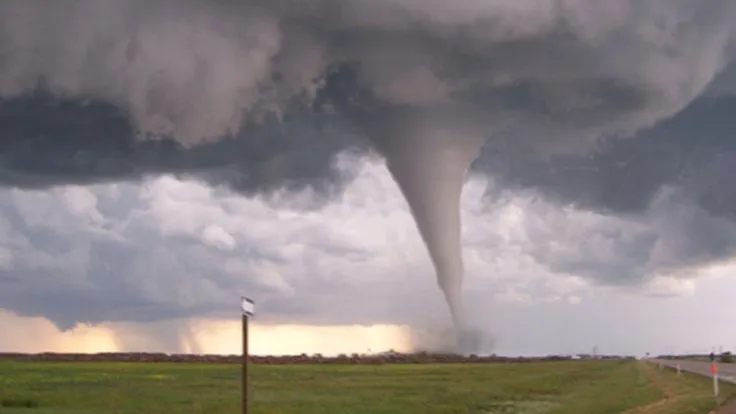
Landscape photography is often associated with mountains, coastlines, forests, or famous viewpoints. The Great Plains offer something different. Here, the horizon is broad, the terrain can appear visually simple, and the sky often becomes the largest element in the frame. Travelers interested in storm chasing tours USA 2027 can use these surroundings to practice creating photographs where weather and landscape work together rather than compete for attention.
The experience can be useful even for people who are relatively new to photography. Open country encourages photographers to think about scale, foregrounds, leading lines, light, and composition. Instead of relying on an instantly recognizable landmark, they learn to build an image from the elements available around them.
Use Simplicity to Your Advantage
An open field may initially seem less interesting than a dramatic mountain landscape. Its simplicity, however, can actually make composition easier.
With fewer visual distractions, photographers can decide what they want the viewer to notice. A road, fence line, isolated structure, or patch of vegetation may be enough to anchor the foreground while allowing the sky to dominate.
This approach works particularly well when large cloud formations are present because the landscape provides context without overwhelming the main subject.
Roads Can Lead the Viewer Into the Scene
Long roads are common visual features across the Plains and can be useful compositional tools. A road narrowing toward the horizon naturally guides the eye deeper into a photograph.
It can also communicate something about the travel experience itself.
Rather than photographing only a storm, including the road can suggest movement and distance. The image begins to tell a story about following weather across a large region instead of simply documenting clouds from one location.
Give Large Skies Enough Room
One of the easiest mistakes in weather photography is framing too tightly. When the sky contains a large storm structure or interesting cloud pattern, photographers should consider allowing it enough space within the image.
A wider composition can show how the clouds relate to the land beneath them.
People researching tornado chasing 2027 can experiment with several approaches during suitable viewing stops:
-
Place the horizon lower when the sky is the main subject
-
Include a road to emphasize depth
-
Use distant buildings to demonstrate scale
-
Photograph repeating patterns across fields
-
Look for contrasting sunlight and cloud shadow
-
Include rain in the distance as part of the wider scene
These techniques can produce variety without requiring complicated equipment.
Foreground Details Create Depth
A photograph containing only a distant horizon can sometimes feel flat. Adding something closer to the camera gives the image another layer.
Grass, roadside vegetation, a fence, or another appropriate landscape feature can provide that foreground interest.
The photographer can then create a visual progression from the nearby detail through the middle distance and finally toward the weather on the horizon. This helps communicate the openness of the Plains more effectively.
Changing Light Becomes a Natural Teacher
Light can change quickly when clouds are moving across the landscape. This gives photographers repeated opportunities to see how illumination affects the same scene.
A field may look subdued beneath cloud shadow and then become much brighter when sunlight returns. A distant rain shaft can become more visible when lit from behind.
Watching these changes helps photographers understand why waiting for the right light can sometimes matter more than immediately taking another picture.
Do Not Ignore Ordinary Landscapes
Travelers often assume every photograph needs spectacular weather. Some of the strongest travel images may instead show relatively ordinary Plains scenery.
A quiet road beneath scattered clouds or a small agricultural structure against a wide horizon can establish a strong sense of location.
These images are particularly valuable when combined with more dramatic storm photographs because they show what the region looked like throughout the entire journey.
Experiment Without Chasing Perfection
A multi-day trip provides room to try different compositions. Not every photograph needs to become a favorite.
One day might be used to experiment with wide horizons, while another provides opportunities to work with foreground elements or changing light. Reviewing images afterward can reveal which approaches communicate the experience most effectively.
This gradual experimentation makes photography part of the journey rather than a competition to capture one perfect image.
Let the Landscape Tell Part of the Story
The strongest storm photographs often reveal something about the place beneath the weather. Agricultural land, highways, distant towns, and open spaces identify the environment in which the storm was observed.
Keeping that context allows photographs to function as travel memories as well as weather images.
Years later, the landscape may help bring back details of the journey that a tightly framed cloud photograph could not preserve.
Conclusion
The Great Plains provide a distinctive environment for developing landscape photography skills because their visual simplicity encourages careful attention to composition, depth, scale, and natural light. Roads, fields, distant structures, broad horizons, and changing skies offer plenty of material without requiring elaborate equipment or highly staged scenes. During a journey with Storm Chasing Adventure Tours, travelers can use these varied surroundings to create photographs that document not only remarkable weather, but also the landscapes and sense of place that give every chase its individual character.